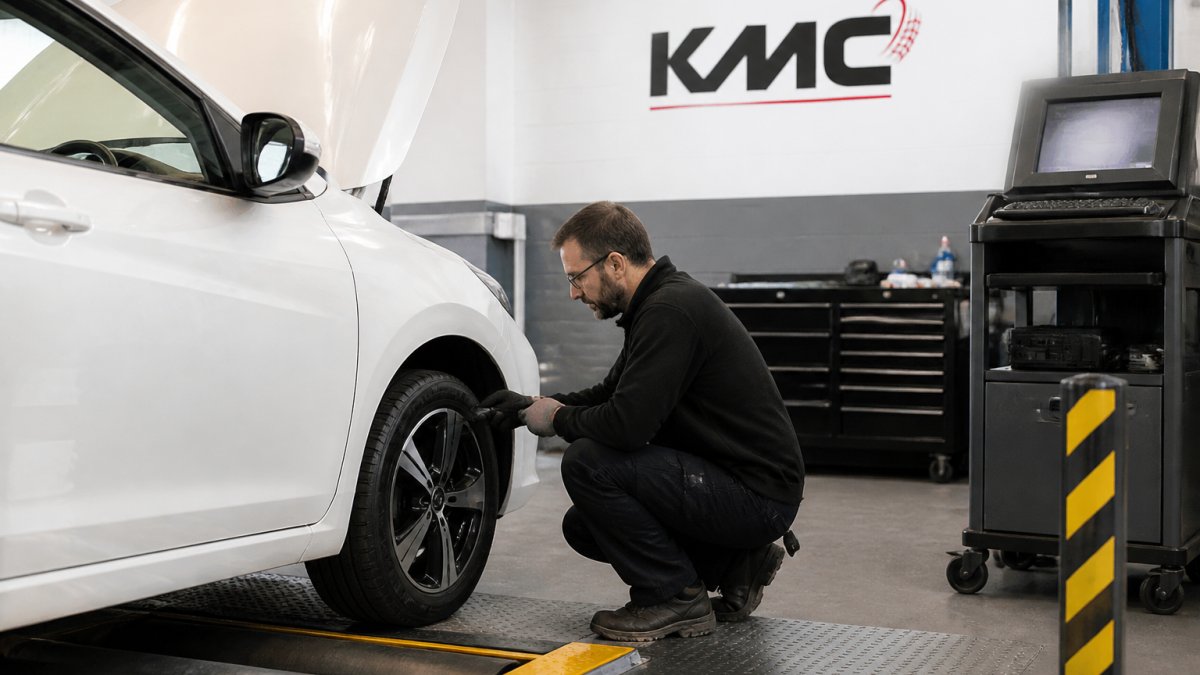
Yes, electric cars must pass an MOT test in the UK, just like any other vehicle. The electric car MOT requirements are governed by the same regulations as petrol and diesel cars, though the inspection process includes some checks specific to electric powertrains. At Kettering Motorist Centre, we've seen a growing number of electric vehicle owners in Kettering and Northamptonshire seeking MOT testing, and it's important to understand what's involved.
The Driver and Vehicle Standards Agency (DVSA) sets the standards for all MOT tests. Electric cars must be tested from age 3 years, then annually thereafter, just like conventional vehicles. The main difference is that inspectors need to check components unique to electric vehicles, such as the battery system, high-voltage electrical connections, and regenerative braking setup.
Many electric car owners assume their vehicles are exempt from MOTs because they have fewer moving parts than combustion engines. This is a common misconception. The MOT isn't just about the engine, it covers brakes, tyres, suspension, emissions systems, and safety features. For electric cars, the DVSA has adapted the test to account for their unique design, but the requirement itself remains unchanged.
When Is an Electric Car MOT Due?
Your electric car MOT is due on the same schedule as any other vehicle. The first MOT is required three years after the car's registration date, then every 12 months after that. If you miss your MOT deadline, you cannot legally drive the vehicle on public roads, and you risk a fine of up to £1,000 (Report a vehicle with no MOT).
To find your MOT due date, check your V5C registration document or use the DVSA MOT checker service to look up your vehicle registration number. This will show you the exact date your electric car MOT is due.
Booking your test in advance is sensible, especially during busy periods. At Kettering Motorist Centre, our hassle-free online booking system allows you to reserve a slot without upfront payment, making it straightforward to keep your electric vehicle compliant. You can book your MOT appointment at a time that suits your schedule across Kettering and surrounding areas in Northamptonshire.
If your MOT expires and you haven't renewed it, you'll need to book a fresh test. There's no grace period, the test is due on the date shown on your certificate, not after.
Electric Car MOT Test Checks: What DVSA Inspectors Look For
The electric car MOT test checks follow the standard MOT framework but with adaptations for electric powertrains. Inspectors use specialized knowledge and, where necessary, diagnostic equipment to examine components that don't exist in conventional cars.
Battery and Electrical System Inspection
The battery is the heart of an electric car, so inspectors examine the battery casing for physical damage, corrosion, or signs of leakage. They check that the battery is securely mounted and that all high-voltage electrical connections are intact and properly insulated. Any exposed wiring or damaged connectors will result in an MOT failure.
Inspectors also verify that the battery management system is functioning correctly. This system monitors cell health, temperature, and charge levels. If warning lights are illuminated on the dashboard related to the battery or electrical system, the vehicle will fail the test. The high-voltage isolation systems must also be checked to ensure they meet safety standards.
Braking System and Regenerative Brakes
Electric cars use regenerative braking, which captures energy during deceleration and feeds it back to the battery. However, they still have traditional friction brakes as a backup and for emergency stopping. The MOT examines both systems.
Inspectors test the friction brakes using the same brake testing equipment used for conventional cars. The brake pads, discs, and brake fluid must meet the same standards. They'll also check that the regenerative braking system is functioning and that the transition between regenerative and friction braking is smooth. If the brakes are unresponsive or the regenerative system is faulty, the vehicle fails the test.
Tyres, Suspension, and Steering
Electric cars are typically heavier than equivalent petrol vehicles due to the battery weight, which puts extra stress on tyres and suspension components. Inspectors check tyre tread depth (minimum 1.6mm across the width), condition, and sidewall damage. Tyres must be appropriate for the vehicle's weight.
Suspension components, including springs, shock absorbers, and anti-roll bars, are inspected for wear and damage. The steering system is tested for play and responsiveness. Any excessive wear or damage results in failure. Because electric cars carry more weight, these components often wear faster, so regular checks between MOT tests are advisable.
Electric Car MOT Checklist: Prepare Before Your Test
Before taking your electric car for its MOT, you can carry out some basic checks to reduce the risk of failure.
Visual Inspection:
Check all exterior lights (headlights, brake lights, indicators, reversing lights, fog lights)
Inspect the windscreen for cracks or chips larger than 10mm
Look for rust or corrosion on the body, particularly around the battery casing
Examine the exhaust system (if applicable, some plug-in hybrids have combustion engines)
Tyre and Suspension:
Measure tyre tread depth; replace tyres if they're near 1.6mm
Check tyre pressure and ensure all four tyres match (or meet manufacturer specifications)
Listen for clunking sounds when driving over bumps, which may indicate suspension wear
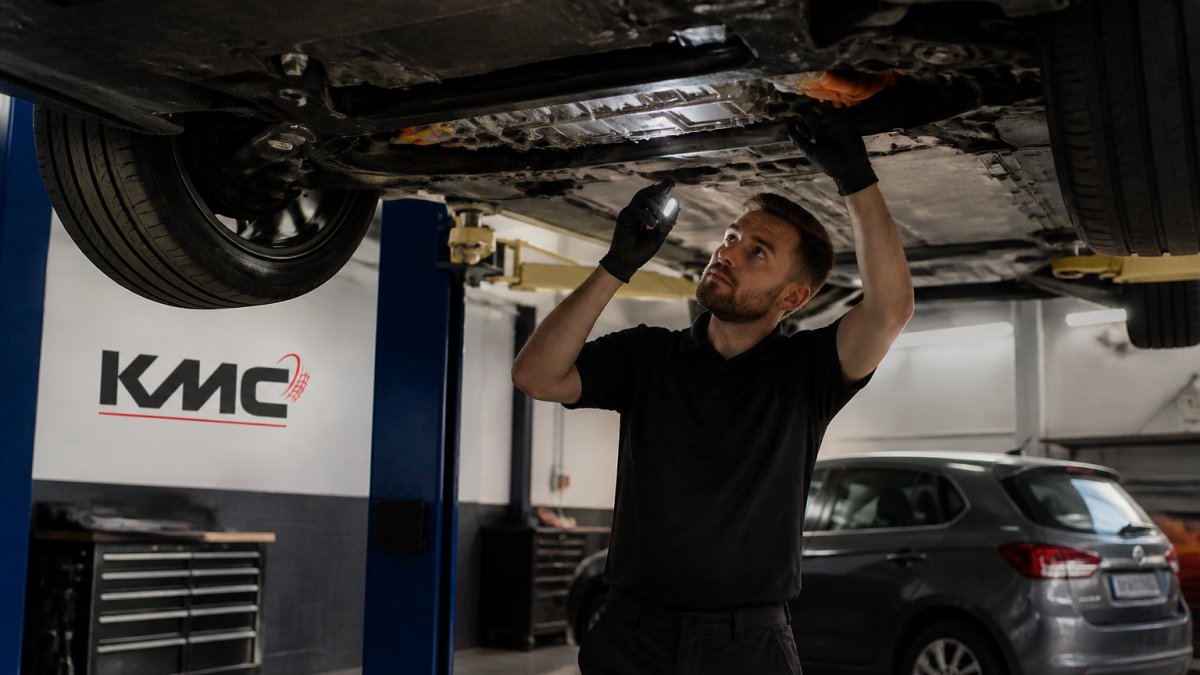
Inspect the underside for loose or damaged components
Brakes and Electrical:
Test your brakes at different speeds to ensure they're responsive
Check that all dashboard warning lights illuminate briefly on startup, then extinguish
Verify that the regenerative braking system engages smoothly
Ensure the battery warning light doesn't remain on after starting
Interior and Safety:
Test all wipers and washers
Check that seat belts retract smoothly and the buckles lock
Verify that mirrors adjust correctly and glass is intact
Ensure the horn works
Taking 15 minutes to perform these checks before your MOT appointment can prevent unnecessary failures and save time. If you spot any issues, address them before booking your test, or discuss them with your mechanic at Kettering Motorist Centre when you arrive.
Common Electric Car MOT Failure Reasons
Understanding why electric cars fail MOTs helps you avoid these pitfalls. The most frequent reasons for failure are preventable with proper maintenance.
Brake System Faults: Worn brake pads, low brake fluid, or a malfunctioning regenerative braking system are common failure causes. Because electric cars rely on regenerative braking for most deceleration, friction brakes can sometimes be overlooked. However, they must still meet MOT standards.
Tyre Issues: Insufficient tread depth, uneven wear, or mismatched tyres across the vehicle are frequent failure reasons. Electric cars' weight distribution can cause uneven tyre wear, so regular rotation and pressure checks are important.
Lighting Defects: Non-functional headlights, brake lights, or indicators account for many failures. Check all lights regularly, as electric cars' complex electrical systems can sometimes cause unexpected light failures.
Suspension and Steering Wear: Excessive play in the steering, worn suspension bushes, or damaged shock absorbers lead to failure. Electric cars' heavier weight accelerates suspension wear, making regular inspections vital.
Battery or Electrical System Damage: Corrosion on battery terminals, damaged high-voltage cables, or warning lights related to the electrical system cause automatic failure. Physical damage to the battery casing from impact or corrosion must be addressed immediately.
Windscreen Damage: Cracks or chips larger than 10mm in the driver's line of sight will fail the test. Chips smaller than 10mm may pass, depending on location.
Many of these failures are avoidable through routine maintenance. At Kettering Motorist Centre, our team can identify and address potential issues before your MOT test, helping ensure your electric car passes first time.
How to Book Your Electric Car MOT
Booking your electric car MOT with Kettering Motorist Centre is straightforward. Our online booking system is designed to be hassle-free, with no upfront payment required. You simply select your preferred date and time, and we'll confirm your appointment.
Visit our website to access the online booking portal. You'll need your vehicle registration number and current MOT certificate (if you have one). Select a convenient slot, we offer appointments throughout the week to accommodate different schedules across Kettering and Northamptonshire.
When you arrive for your test, bring your V5C registration document and keys. The MOT typically takes around 45 minutes to an hour for an electric car, depending on any additional checks required. Our inspectors will provide you with a full report of the test results, including any advisories or recommendations for future maintenance.
If your vehicle fails the MOT, we'll discuss the issues with you and provide a transparent quote for any repairs needed. We won't proceed with work without your agreement, and our transparent approach means you'll always know what's being done and why.
Electric cars are here to stay, and understanding your electric car MOT requirements ensures you stay compliant and keep your vehicle safe. The MOT process for electric cars is thorough but straightforward when you're prepared. At Kettering Motorist Centre, our team has the expertise and diagnostic equipment to handle your MOT with confidence. Book your appointment today through our hassle-free online system, and drive with the assurance that your electric car meets all UK safety standards.
Frequently Asked Questions
Do electric cars need an MOT in the UK?
Yes, electric cars must pass an MOT just like petrol or diesel vehicles. The MOT is a legal requirement for all cars over three years old, regardless of their fuel type. Electric cars are tested to the same safety and emissions standards, though the specific checks focus on their electrical systems rather than engine emissions.
When is an electric car MOT due?
Your first MOT is due three years after the vehicle's registration date. After that, you must renew it annually. You can book your electric car MOT up to one month before the expiry date without losing your current certificate. Check your V5C registration document or use the DVLA's online checker to find your MOT due date.
What is checked during an electric car MOT?
DVSA inspectors check the battery and electrical system for safety, braking performance (including regenerative brakes), tyres, suspension, steering, lights, and windscreen condition. They also verify that high-voltage systems are properly insulated and that there are no visible damage or leaks that could pose a safety risk. The test follows the same safety framework as combustion-engine vehicles.
Can an electric car fail its MOT because of its battery?
An electric car can fail if the battery shows signs of physical damage, leakage, or if the battery management system indicates a fault. However, a battery simply losing range or capacity over time is not an MOT failure point. Failure occurs only if there's a safety risk, such as exposed high-voltage components or damage that could cause electrical hazards.
What are the most common reasons electric cars fail their MOT?
Common failures include worn tyres, faulty brakes or brake fluid issues, damaged suspension components, and malfunctioning lights or wipers. Some electric cars also fail due to cracks in the windscreen or issues with the regenerative braking system. Regular maintenance and pre-MOT checks help catch these issues before your test date.
How can I prepare my electric car for its MOT?
Check your tyres for correct pressure and tread depth, test all lights and wipers, ensure your windscreen is clean and undamaged, and verify your brakes are responsive. Review your battery health status if your vehicle provides it, and address any warning lights on your dashboard before the test. A pre-MOT inspection by a qualified technician can identify issues early.
Where can I book an electric car MOT?
You can book your MOT at any DVSA-approved testing station. Kettering Motorist Centre offers hassle-free online booking for electric vehicle MOTs with no upfront payment required. Our team has specialist expertise in electric and hybrid vehicles, ensuring your test is handled by technicians familiar with high-voltage systems and EV-specific checks.
Thank you for placing a booking with Kettering Motorist Centre Limited for vehicle
PLEASE TAKE YOUR BOOKING REFERENCE NUMBER WITH YOU TO THE MOT CENTRE
Your items
MOT Test
×
Terms and Conditions
These terms and conditions form the basis on which you can visit and use this website. Please read them carefully as they contain important information.
General terms and conditions
This website is owned and operated by Kettering Motorist Centre Ltd (company registration number: 4485858) operating at Trafalgar Road, Kettering, Northamptonshire, NN16 8DB (the "MOT Centre", the "Company", "we" or "us"). If you have any queries about these terms and conditions or if you have any comments or complaints on or about this website, you can contact us at [email protected] or 01536 410142.
The website is to promote and offer for sale the products and services of Kettering Motorist Centre Limited.
1. The contract between us
This website does not take payment for products or services online. The website enables you to view products and services online and to make a booking for later delivery and payment. The vehicle and provision of other products and services promoted by this website and the payment by you of the price of those products and services will take place at the MOT Centre. The booking does not constitute a contract.
The booking process on the site provides details of the booked MOT order. Please take the time to read and check your booking. It is your responsibility to make sure the order is correct and for the correct vehicle.
2. Ownership of rights
All rights, including copyright, in this website are owned by or licensed to the Company. Any use of this website or its contents, including copying or storing it or them in whole or part, other than for your own personal, non commercial use, is prohibited without our permission. You may not modify, distribute or repost anything on this website for any purpose.
3. Accuracy of content
We have taken care in the preparation of the content of this website, in particular to ensure that prices quoted are correct at the time of publishing and that all goods have been fairly described. However, bookings will only be accepted if there are no material errors in the description of the goods or their prices as advertised on this website. Any weights, dimensions and capacities given about the goods are approximate only.
4. Damage to your computer
We try to ensure that this website is free from viruses or defects. However, we cannot guarantee that your use of this website or any websites accessible through it will not cause damage to your computer. It is your responsibility to ensure that the right equipment is available to use the website. Except in the case of negligence on our part, we will not be liable to any person for any loss or damage which may arise to computer equipment as a result of using this website.
5. Availability
All bookings are subject to acceptance and availability. If the MOT date you have requested are is not available, the Centre will contact you by e-mail or phone. You will have the option either to wait until another slot is available or to cancel your booking.
6. Booking errors
You are able to correct errors on your booking up to the point on which you click on “Place Booking” during the booking process.
7. Price
The prices payable for goods that you order are as set out in our website. All prices are inclusive of VAT at the current rates and are correct at the time of entering information, errors and omissions excepted.
Whenever it is not possible to accept your booking to buy goods of the specification and description at the price indicated, the MOT Centre will advise you by email or phone or when you visit the centre.
8. Payment terms
You will be required to pay for the goods or services to the Centre at time of a completed MOT.
9. Delivery charges
N/A
10. Cancellation
The MOT Centre reserves the right to cancel the booking if:
10.1 There is insufficient stock to deliver the goods you have booked.
10.2 One or more of the goods you booked was listed at an incorrect price.
If your booking is cancelled the Centre will notify you by e-mail or phone.
You have the right to cancel your booking at any time up to the point of the MOT. If you do cancel your booking you should inform the centre by phone.
11. Liability
Notwithstanding the foregoing, nothing in these terms and conditions is intended to limit any rights you might have as a consumer under applicable local law or other statutory rights that may not be excluded nor in any way to exclude or limit our liability to you for any death or personal injury resulting from our negligence.
12. Notices
Unless otherwise expressly stated in these terms and conditions, all notices from you to us must be in writing and sent to our contact address given above and all notices from us to you will be displayed on our website from time to time.
13. Changes to legal notices
We reserve the right to change these terms and conditions from time to time and you should look through them as often as possible.
14. Law, jurisdiction and language
This website, any content contained therein and any contract brought into being as a result of usage of this website are governed by and construed in accordance with English law. Parties to any such contract agree to submit to the exclusive jurisdiction of the courts of England and Wales.
15. Invalidity
If any part of these terms and conditions is unenforceable (including any provision in which we exclude our liability to you) the enforceability of any other part of these conditions will not be affected.
16. Privacy
You acknowledge and agree to be bound by the terms of our privacy policy
17. Third party rights
Nothing in this Agreement is intended to, nor shall it confer any rights on a third party.