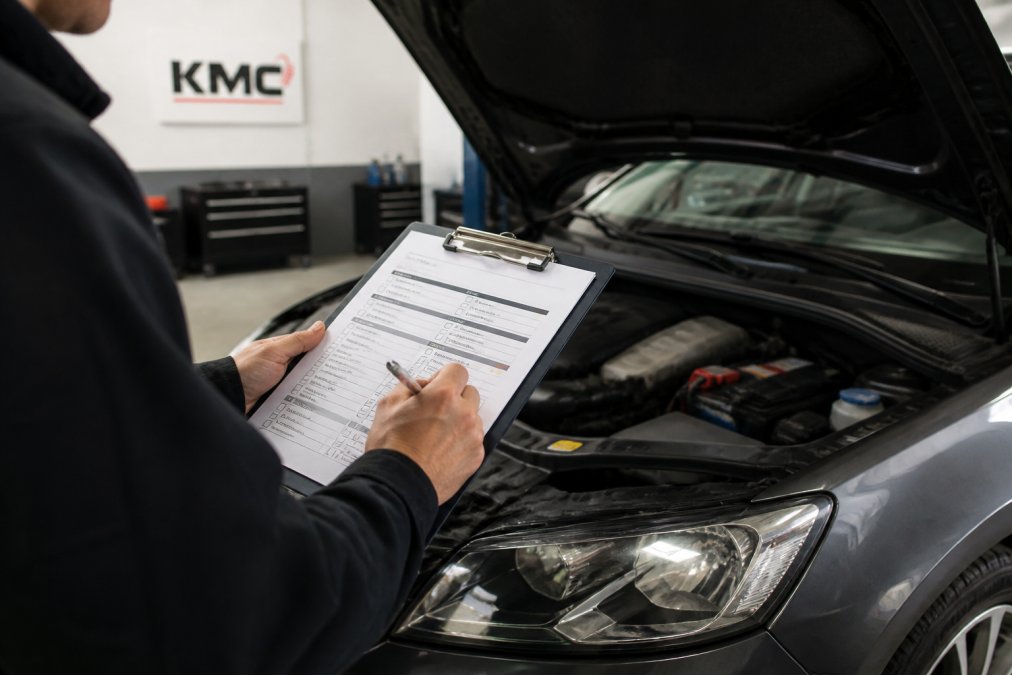
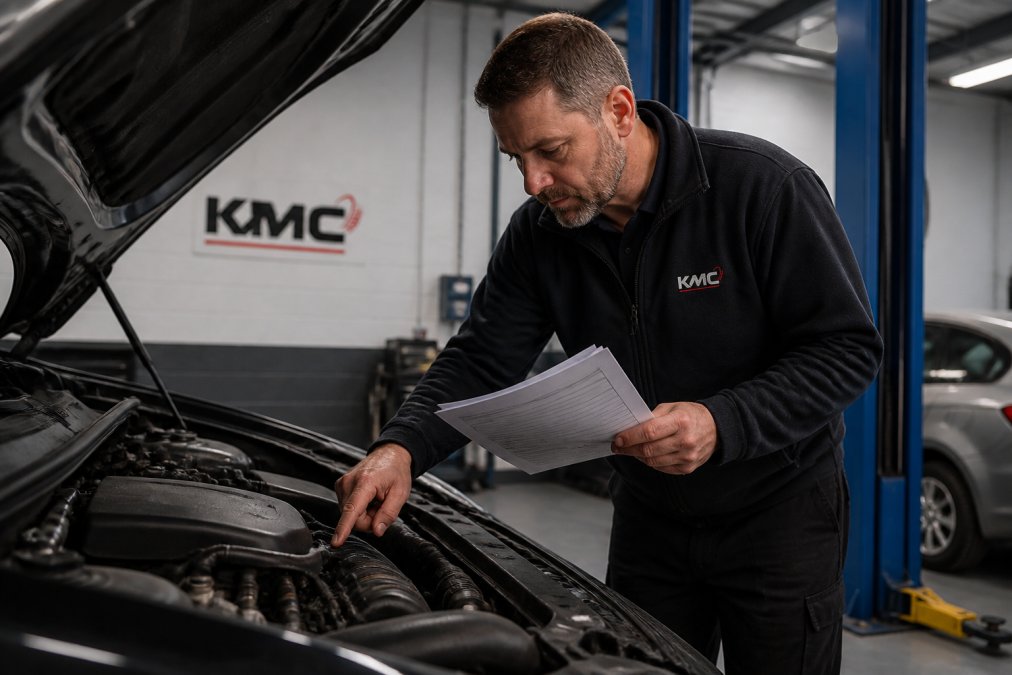
A used car inspection report is a detailed document that records the condition of a vehicle at a specific point in time. This report becomes your roadmap when evaluating whether a secondhand car is worth buying. At Kettering Motorist Centre, we help local motorists understand what these reports actually mean. A report full of technical jargon is only useful if you know what to look for.
The inspection typically covers mechanical systems, bodywork, interior condition, and safety features. Some reports are produced by independent garages, others by specialist inspection companies. The key difference is that a thorough used car inspection report should give you confidence about what you're purchasing, or raise legitimate concerns before you commit money.
Think of it this way: you wouldn't buy a house without a survey. A used car deserves the same scrutiny. An inspection report is your defence against hidden problems that could cost thousands to fix after purchase.
Critical Areas to Scrutinise in the Report
When you receive a used car inspection report, focus on three core areas that determine whether the car is roadworthy and safe.
Engine and Mechanical Systems
The engine section is where serious problems reveal themselves. Look for any mention of oil leaks, coolant seepage, or unusual wear on belts and hoses. These aren't minor cosmetic issues, they signal whether the engine has been maintained or neglected.
Pay attention to the condition of spark plugs, battery health, and whether the timing belt has been replaced recently. A timing belt failure can damage the entire engine, so knowing its history matters. Check if the report mentions any diagnostic fault codes or warning lights that appeared during testing.
Transmission fluid condition is equally important. Dark or burnt-smelling fluid suggests the transmission has been working hard or hasn't been serviced properly. Automatic gearboxes especially can become expensive to repair if the fluid hasn't been changed regularly.
Bodywork, Paint, and Corrosion
Rust and corrosion are permanent problems. Unlike mechanical issues that can sometimes be repaired, structural rust spreads and weakens the car's integrity. Look for any mention of corrosion on the undercarriage, wheel arches, or sills. British weather means corrosion is a genuine risk on older vehicles.
The inspection report should note the condition of the paintwork. If there are multiple respray areas, it suggests the car has been in accidents or had panels replaced. This doesn't automatically mean the car is unsafe, but it should be reflected in the price you're willing to pay.
Check for panel gaps and alignment issues. Uneven gaps between doors and panels indicate poor repair work or accident damage. A quality inspection report will measure these and flag inconsistencies.
Brakes, Suspension, and Steering
Brake condition directly affects safety. The report should specify brake pad thickness and whether discs are scored or warped. Worn brakes are an easy fix but an expensive one if left until they fail completely.
Suspension wear shows up as clunking sounds or excessive movement when the vehicle is rocked. The report should detail shock absorber condition and whether springs or bushes are worn. Poor suspension affects handling and comfort, and replacement costs add up quickly.
Steering should feel responsive and centred. The report should note if there's excessive play in the steering wheel or any signs of wear in the steering rack. A loose or unresponsive steering system is both unsafe and costly to repair.
Building Your Pre-Purchase Car Inspection Checklist
A pre-purchase car inspection checklist helps you ask the right questions before you receive the formal report. Use this framework to guide your own observations and to know what to expect in the documentation.
Inspection Area
What to Check
Red Flags to Note
Engine
Oil level and colour, coolant condition, belt wear, leaks
Dark oil, coolant loss, visible seepage, worn belts
Transmission
Fluid colour and smell, gear changes smoothness
Burnt smell, difficulty shifting, slipping gears
Brakes
Pad thickness, disc condition, brake fluid colour
Thin pads, scored discs, dark or contaminated fluid
Suspension
Shock absorber condition, spring wear, bushes
Clunking, excessive bounce, uneven ride height
Tyres
Tread depth, wear pattern, age
Uneven wear, bulges, cracks, date code over 10 years old
Bodywork
Paint condition, rust, panel alignment
Large rust patches, multiple resprays, misaligned panels
Electrics
Battery health, lighting, warning lights
Dim lights, battery age over 5 years, persistent warnings
Interior
Seat condition, dashboard function, carpets
Worn seats, broken controls, water stains, odours
When you're reviewing a used car inspection report, cross-reference it against this checklist. If the report mentions issues in multiple areas, the overall repair costs could be substantial. A single issue is manageable; multiple problems suggest the car hasn't been maintained well.
How to Read an MOT Advisory Report
An MOT advisory report is different from a full inspection report. It records items that haven't yet failed the MOT test but are approaching failure or need attention soon. Understanding the distinction matters because an advisory isn't a pass or fail, it's a warning.
The MOT test checks specific safety and emissions items (MOT inspection manual: cars and passenger vehicles - Guidance). An advisory means that item is still within acceptable limits but won't be for much longer. For example, brake pad wear might be flagged as an advisory if pads are at 2mm thickness. They're legal now, but they'll fail the next test if not replaced.
Read advisories carefully. A car with multiple advisories in the same area (brakes, suspension, emissions) suggests ongoing neglect. A single advisory on a well-maintained car is less concerning. When you see an advisory, ask the seller what action they've taken or plan to take.
The MOT history is valuable too. If the same advisory appears year after year, the seller has ignored the warning repeatedly. That pattern suggests other maintenance has been skipped as well.
Electric Vehicle Health Check: What's Different
Electric vehicles require different scrutiny in an inspection report. Battery health is the critical factor because battery replacement is expensive and affects the car's value significantly.
A quality inspection report for an electric vehicle should include battery capacity testing. This shows whether the battery is still holding a full charge or if capacity has degraded. Most EV batteries lose 5-10% capacity over the first five years, but excessive loss indicates poor charging habits or a faulty battery management system.
Check the cooling system for the battery pack. EVs use liquid cooling to manage battery temperature, and any leaks or blockages will damage the battery over time. The report should confirm the cooling system is functioning properly.
Look at the electric motor and drivetrain components. Unlike petrol engines, electric motors have far fewer moving parts, so mechanical failure is less common. However, any signs of electrical faults or unusual noises during testing should be investigated.
At Kettering Motorist Centre, we've invested in specialist diagnostic equipment for electric and hybrid vehicles.
Common Red Flags That Should Concern You
Certain findings in an inspection report should make you pause before purchasing. These aren't minor wear items, they're indicators of serious problems or poor maintenance history.
What a Clean Report Really Means
A clean inspection report doesn't mean the car is perfect, it means the car is in acceptable condition for its age and mileage. Expectations change based on how old the vehicle is and how many miles it's covered.
Next Steps: Using Your Inspection Report Wisely
Once you have the inspection report, use it to make an informed decision. If the report reveals significant issues, get a second opinion from a trusted mechanic before committing to the purchase. Kettering Motorist Centre can review inspection reports and provide feedback about whether the reported issues are serious or manageable.
Frequently Asked Questions
What is included in a standard used car inspection report?
A comprehensive used car inspection report covers the engine, transmission, brakes, suspension, steering, bodywork, interior condition, electrical systems, and fluid levels. Professional inspectors examine safety-critical components, check for corrosion and accident damage, and verify service history alignment. The report should detail findings for each system, highlight any defects or concerns, and often include advisory items for components showing wear. A thorough inspection report gives you a complete picture of the vehicle's condition before purchase.
How do I interpret advisory items on a used car inspection report?
Advisory items indicate components that are not yet faulty but may need attention soon. These typically include items like worn brake pads approaching their limit, tyres with tread nearing the legal minimum, or fluid levels slightly low. Unlike defects that require immediate repair, advisories allow you to plan maintenance costs. Review advisories carefully, several on the same system may suggest underlying problems. Use this information to negotiate the purchase price or factor repair costs into your budget before committing to the purchase.
What are the most common red flags in used car inspection reports?
Major red flags include evidence of serious corrosion (especially structural rust), signs of accident damage or poor repair work, low compression readings suggesting engine wear, brake system issues, suspension problems affecting safety, and fluid leaks. Mismatched service history, missing maintenance records, or odometer inconsistencies also warrant caution. Multiple defects in the same system, such as several brake issues combined, suggest systemic problems. If the report lists extensive repairs needed or safety-critical failures, walk away or renegotiate substantially.
How long is a used car inspection report valid for?
Most pre-purchase inspection reports remain valid for 7-14 days, depending on the inspector. However, the vehicle's condition can change, especially if it's driven between inspection and purchase. If there's a significant gap between inspection and purchase, request a follow-up check or brief re-inspection of critical areas. For vehicles you're purchasing from a distance, ensure the inspection is completed shortly before finalisation. Always clarify the report's validity period with your inspector and schedule purchase completion promptly after receiving the report.
A used car inspection report is your protection against expensive mistakes. By understanding what to look for and taking the findings seriously, you can buy with confidence. Whether you need a full inspection before purchase or want an independent review of an existing report, Kettering Motorist Centre is here to help. Book your vehicle health check today and drive home knowing your car is safe and reliable.
Thank you for placing a booking with Kettering Motorist Centre Limited for vehicle
PLEASE TAKE YOUR BOOKING REFERENCE NUMBER WITH YOU TO THE MOT CENTRE
Your items
MOT Test
×
Terms and Conditions
These terms and conditions form the basis on which you can visit and use this website. Please read them carefully as they contain important information.
General terms and conditions
This website is owned and operated by Kettering Motorist Centre Ltd (company registration number: 4485858) operating at Trafalgar Road, Kettering, Northamptonshire, NN16 8DB (the "MOT Centre", the "Company", "we" or "us"). If you have any queries about these terms and conditions or if you have any comments or complaints on or about this website, you can contact us at [email protected] or 01536 410142.
The website is to promote and offer for sale the products and services of Kettering Motorist Centre Limited.
1. The contract between us
This website does not take payment for products or services online. The website enables you to view products and services online and to make a booking for later delivery and payment. The vehicle and provision of other products and services promoted by this website and the payment by you of the price of those products and services will take place at the MOT Centre. The booking does not constitute a contract.
The booking process on the site provides details of the booked MOT order. Please take the time to read and check your booking. It is your responsibility to make sure the order is correct and for the correct vehicle.
2. Ownership of rights
All rights, including copyright, in this website are owned by or licensed to the Company. Any use of this website or its contents, including copying or storing it or them in whole or part, other than for your own personal, non commercial use, is prohibited without our permission. You may not modify, distribute or repost anything on this website for any purpose.
3. Accuracy of content
We have taken care in the preparation of the content of this website, in particular to ensure that prices quoted are correct at the time of publishing and that all goods have been fairly described. However, bookings will only be accepted if there are no material errors in the description of the goods or their prices as advertised on this website. Any weights, dimensions and capacities given about the goods are approximate only.
4. Damage to your computer
We try to ensure that this website is free from viruses or defects. However, we cannot guarantee that your use of this website or any websites accessible through it will not cause damage to your computer. It is your responsibility to ensure that the right equipment is available to use the website. Except in the case of negligence on our part, we will not be liable to any person for any loss or damage which may arise to computer equipment as a result of using this website.
5. Availability
All bookings are subject to acceptance and availability. If the MOT date you have requested are is not available, the Centre will contact you by e-mail or phone. You will have the option either to wait until another slot is available or to cancel your booking.
6. Booking errors
You are able to correct errors on your booking up to the point on which you click on “Place Booking” during the booking process.
7. Price
The prices payable for goods that you order are as set out in our website. All prices are inclusive of VAT at the current rates and are correct at the time of entering information, errors and omissions excepted.
Whenever it is not possible to accept your booking to buy goods of the specification and description at the price indicated, the MOT Centre will advise you by email or phone or when you visit the centre.
8. Payment terms
You will be required to pay for the goods or services to the Centre at time of a completed MOT.
9. Delivery charges
N/A
10. Cancellation
The MOT Centre reserves the right to cancel the booking if:
10.1 There is insufficient stock to deliver the goods you have booked.
10.2 One or more of the goods you booked was listed at an incorrect price.
If your booking is cancelled the Centre will notify you by e-mail or phone.
You have the right to cancel your booking at any time up to the point of the MOT. If you do cancel your booking you should inform the centre by phone.
11. Liability
Notwithstanding the foregoing, nothing in these terms and conditions is intended to limit any rights you might have as a consumer under applicable local law or other statutory rights that may not be excluded nor in any way to exclude or limit our liability to you for any death or personal injury resulting from our negligence.
12. Notices
Unless otherwise expressly stated in these terms and conditions, all notices from you to us must be in writing and sent to our contact address given above and all notices from us to you will be displayed on our website from time to time.
13. Changes to legal notices
We reserve the right to change these terms and conditions from time to time and you should look through them as often as possible.
14. Law, jurisdiction and language
This website, any content contained therein and any contract brought into being as a result of usage of this website are governed by and construed in accordance with English law. Parties to any such contract agree to submit to the exclusive jurisdiction of the courts of England and Wales.
15. Invalidity
If any part of these terms and conditions is unenforceable (including any provision in which we exclude our liability to you) the enforceability of any other part of these conditions will not be affected.
16. Privacy
You acknowledge and agree to be bound by the terms of our privacy policy
17. Third party rights
Nothing in this Agreement is intended to, nor shall it confer any rights on a third party.