Brake failure while driving is a terrifying scenario, but knowing how to react can save your life and the lives of others on the road. When your brakes fail, you have seconds to respond. The key is staying calm, using alternative braking methods, and getting your vehicle to safety as quickly as possible.
Brake failure while driving isn't common if your vehicle is properly maintained, but it can happen. Understanding what to do in this moment could be the difference between a minor incident and a serious accident.
Stay calm and alert
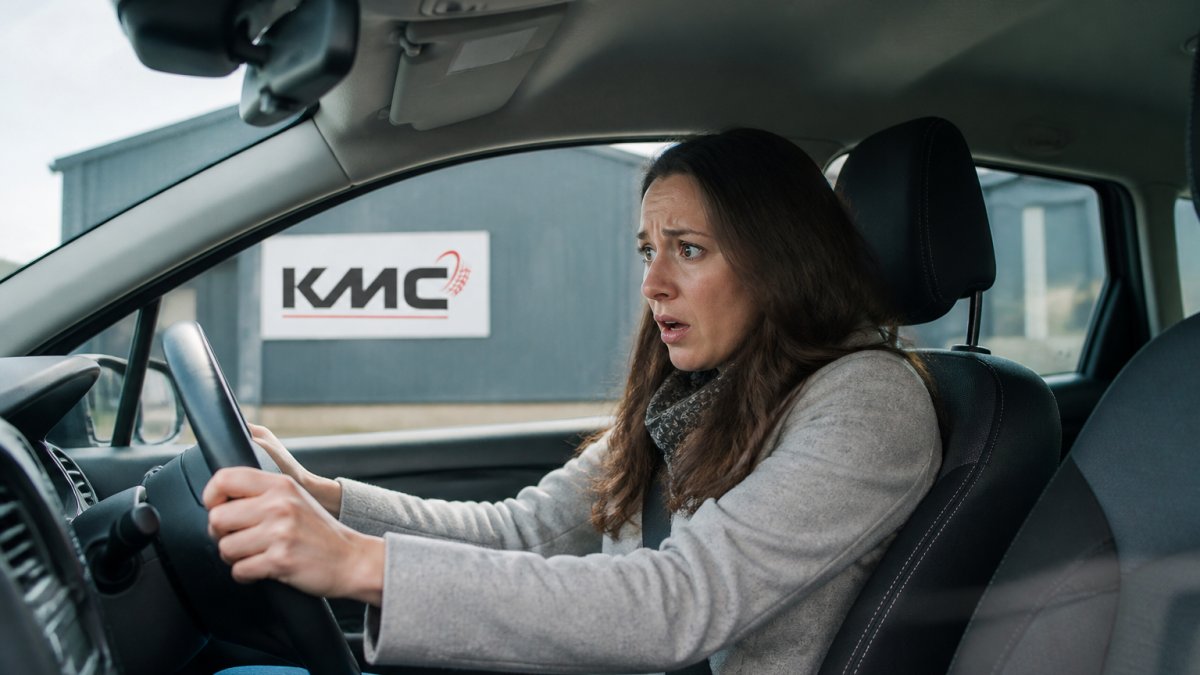
Panic is your worst enemy. The moment you realise your brakes aren't working, take a deep breath. Your next actions depend on clear thinking.
Keep both hands on the wheel. Look ahead and plan your escape route. Identify open space, an uphill stretch, or a safe area where you can bring the vehicle to a stop. Avoid crowded areas, pedestrians, and other vehicles if possible.
Assess your speed. Are you going 30 mph or 60 mph? Slower speeds give you more options and time to react safely.
Signal and move to safety
Activate your hazard lights immediately. This warns other drivers that something is wrong. They'll give you space and may help prevent collisions.
Gently steer toward the side of the road or into an empty space. Avoid sudden movements that could cause your vehicle to skid or roll. Smooth, controlled steering is essential.
If you're on a motorway, try to move toward the hard shoulder. If you're in town, head toward a quiet street or car park. The goal is to remove yourself from traffic as quickly and safely as possible.
How to Use Your Handbrake in an Emergency
Your handbrake is your first alternative when your foot brakes fail. It works independently of your main braking system and can slow your vehicle significantly.
Applying the handbrake gradually
Pull the handbrake slowly and steadily. Don't jerk it or apply it all at once, especially at high speed. A sudden application can lock your rear wheels and cause your vehicle to skid sideways.
Ease it up in stages. Pull, pause, pull a bit more. Feel how your vehicle responds. You're looking for gradual deceleration, not an emergency stop.
If your handbrake is electronic, hold the button firmly. Modern vehicles have systems that prevent the wheels from locking, making electronic handbrakes safer in emergencies than older mechanical ones.
What to expect when braking
Your vehicle will slow down noticeably. You'll feel the deceleration, and you may hear the rear wheels beginning to lock. This is normal. Keep your hands on the wheel and continue steering toward safety.
The handbrake alone won't stop you instantly, especially at high speed. It's a tool to reduce velocity, not an emergency stop button. Combined with downshifting and steering toward safety, it gives you control.
Using Gears and Engine Braking to Slow Down
Engine braking is one of the most underused emergency techniques. It uses your engine's resistance to slow your vehicle without touching the brakes at all.
Shift down through the gears smoothly. If you're in fifth gear at 60 mph, move to fourth. Let your engine do the work. Don't skip gears, as this can damage your transmission and cause the wheels to lock.
Continue downshifting as your speed drops. Fourth to third, third to second. Each gear change slows you further. This method is especially effective on downhill stretches, where gravity helps slow you down naturally.
Engine braking works best at moderate speeds. Combined with your handbrake, it gives you a powerful way to reduce speed and regain control. It's also gentler on your vehicle than a panic stop.
Recognising the Signs of Brake Failure
Knowing the warning signs of brake failure before complete failure occurs can help you avoid this emergency altogether. Prevention is always better than reaction.
Warning signs before complete failure
Your brake pedal feels soft or spongy. It goes down further than usual before you feel resistance. This often means air has entered the brake lines or your brake fluid is leaking.
The pedal goes all the way to the floor with no resistance. This is a clear sign that your brakes are compromised and you need to stop immediately and call for help.
You notice a burning smell near the wheels. This indicates your brakes are overheating, which can lead to failure. Brake fluid may also smell like burning oil when it's too hot.
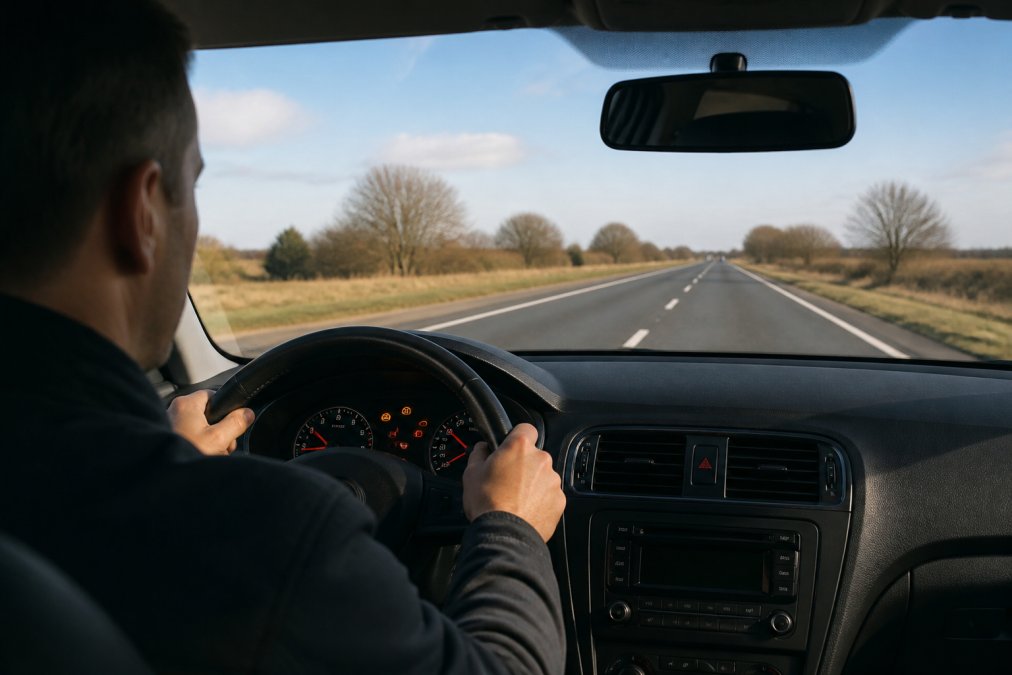
Warning lights on your dashboard illuminate. Most vehicles have a brake warning light that comes on when the system detects a problem. Take this seriously and have your vehicle checked immediately.
Complete brake failure means your foot pedal has no resistance. Pressing it does nothing. Your vehicle continues at its current speed regardless of pedal pressure.
This can happen suddenly or gradually. Gradual failure gives you warning signs. Sudden failure is rarer but more dangerous. It's usually caused by a catastrophic leak or a complete system failure.
Your vehicle won't slow down on its own. You must use alternative methods immediately. Every second counts.
Brake Maintenance to Prevent Failure
The best way to handle brake failure is to prevent it from happening in the first place. Regular maintenance catches problems before they become emergencies.
Regular inspection and servicing
Have your brakes inspected every 12 months or as recommended in your vehicle's handbook. A trained technician checks your brake pads, discs, and fluid condition. They can spot wear and damage before failure occurs.
Brake pads wear down over time. Once they're thin, metal touches metal, reducing braking power and increasing stopping distance. Regular checks ensure you replace pads before they fail completely.
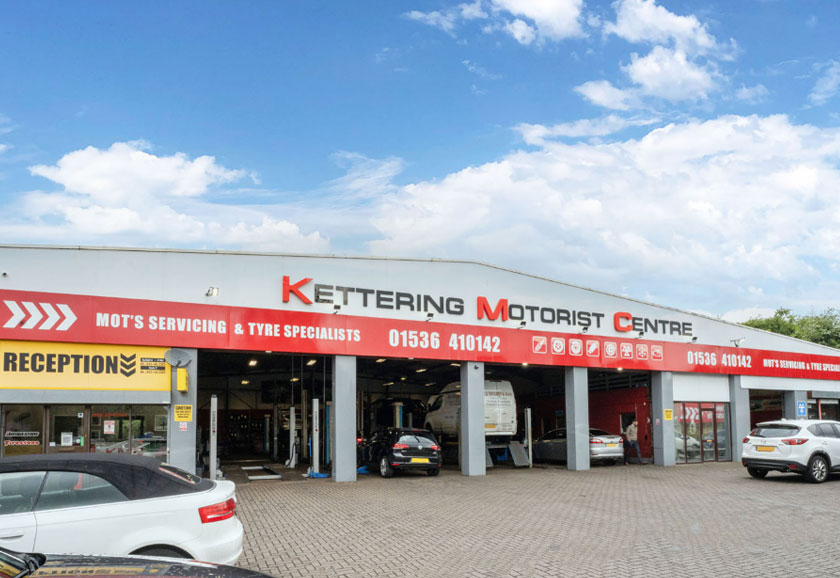
At Kettering Motorist Centre, we offer comprehensive brake inspections and servicing for all vehicle types, including electric and hybrid vehicles. Our team uses expert diagnostic and repair services to identify problems. We can book you in online with no upfront payment required, making it simple to stay on top of your vehicle's safety.
Brake fluid and wear checks
Brake fluid absorbs moisture over time, which reduces its effectiveness. It should be replaced every two years as part of routine maintenance. Old fluid can boil under heavy braking, causing sudden failure.
Check your brake fluid level regularly. Low fluid indicates a leak somewhere in the system. Small leaks become big problems quickly. If you notice fluid pooling under your vehicle, have it inspected immediately.
Brake hoses can crack or develop weak spots. A visual inspection catches obvious damage. A professional inspection using pressure tests identifies hidden problems.
What Not to Do During Brake Failure
Panic stops are tempting but dangerous. Don't slam the handbrake or pump the pedal frantically. Both actions can lock your wheels and cause a skid.
Don't turn the ignition off while driving. You'll lose power steering and power brakes, making control even harder. Keep the engine running until you've safely stopped.
Don't try to navigate heavy traffic at speed. Head toward open space or an uphill area instead. Hitting other vehicles is almost certainly worse than hitting a stationary object or empty space.
Don't ignore warning signs before failure occurs. If your brakes feel soft or the warning light comes on, stop driving and get your vehicle checked. A small problem now prevents a major emergency later.
After You've Stopped: Next Steps
Once you've brought your vehicle to a safe stop, don't attempt to drive it. Call for roadside assistance or a recovery service. Your brakes have failed, and driving further could cause another emergency.
Turn off the engine and engage the handbrake fully. If you're on a busy road, turn on your hazard lights and stay inside the vehicle with your seatbelt on. Wait for help to arrive.
When your vehicle is recovered, have it taken to a qualified mechanic for a full brake system inspection. Don't attempt to drive it yourself, even slowly. The problem must be diagnosed and fixed properly before the vehicle is roadworthy again.
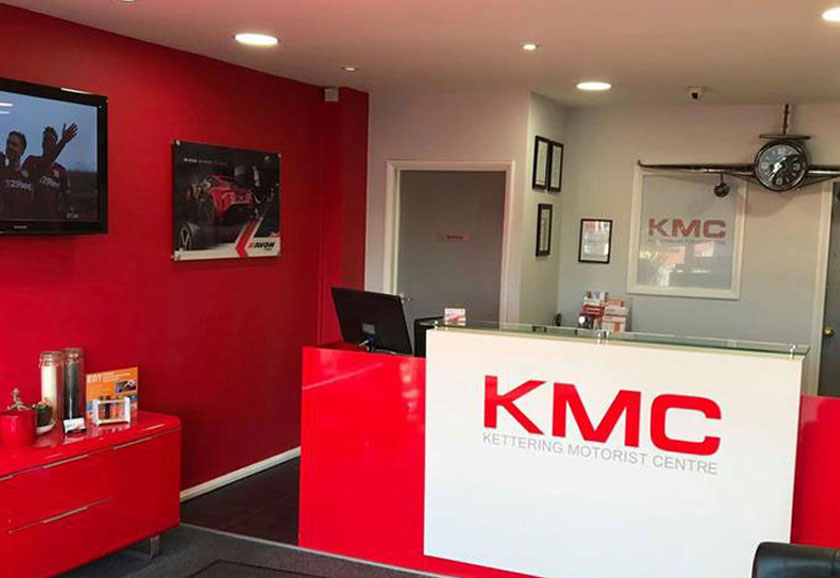
If you're in the Kettering area and need a thorough brake system inspection after an incident, Kettering Motorist Centre can help. We diagnose brake problems and carry out repairs.
Frequently Asked Questions
What is the first thing you should do if your brakes fail while driving?
Stay calm and take your foot off the accelerator immediately. Grip the steering wheel firmly and look for a safe place to stop, such as a wide verge or quiet road. Warn other drivers by switching on your hazard lights. Avoid sudden movements that could cause a skid. Once you've identified a safe area, use your handbrake and engine braking together to slow the vehicle gradually. Your priority is reaching a safe stopping point away from traffic.
Can you use the handbrake if your brakes fail while driving?
Yes, the handbrake is your primary backup when the foot brake fails. Apply it gradually and steadily rather than yanking it hard, which could lock the rear wheels and cause a skid. On modern vehicles, the handbrake is usually powerful enough to stop the car, though it may take longer than normal braking. Combine handbrake application with downshifting into lower gears to use engine braking as additional stopping force. This dual approach gives you the best chance of stopping safely.
How can I tell if my brake system is failing before it happens?
Watch for warning signs including a soft or spongy brake pedal, reduced braking power, a burning smell from the wheels, brake warning lights on your dashboard, or a gradual increase in stopping distance. Brake fluid leaks under your car are another red flag. If you notice any of these signs, avoid driving at speed and arrange professional inspection immediately. Regular brake maintenance checks can catch problems early. If you're in the Kettering area, book a diagnostic check with Kettering Motorist Centre to have your brakes inspected by specialists.
Should I turn off the engine if my brakes fail?
Do not turn off the engine during brake failure. Turning off the engine will disable power steering and make the car much harder to control. Instead, focus on using the handbrake and downshifting. Only once the vehicle is safely stopped and stationary should you turn off the engine. Keeping the engine running maintains your steering control, which is essential for navigating to a safe stopping point.
Thank you for placing a booking with Kettering Motorist Centre Limited for vehicle
PLEASE TAKE YOUR BOOKING REFERENCE NUMBER WITH YOU TO THE MOT CENTRE
Your items
MOT Test
×
Terms and Conditions
These terms and conditions form the basis on which you can visit and use this website. Please read them carefully as they contain important information.
General terms and conditions
This website is owned and operated by Kettering Motorist Centre Ltd (company registration number: 4485858) operating at Trafalgar Road, Kettering, Northamptonshire, NN16 8DB (the "MOT Centre", the "Company", "we" or "us"). If you have any queries about these terms and conditions or if you have any comments or complaints on or about this website, you can contact us at [email protected] or 01536 410142.
The website is to promote and offer for sale the products and services of Kettering Motorist Centre Limited.
1. The contract between us
This website does not take payment for products or services online. The website enables you to view products and services online and to make a booking for later delivery and payment. The vehicle and provision of other products and services promoted by this website and the payment by you of the price of those products and services will take place at the MOT Centre. The booking does not constitute a contract.
The booking process on the site provides details of the booked MOT order. Please take the time to read and check your booking. It is your responsibility to make sure the order is correct and for the correct vehicle.
2. Ownership of rights
All rights, including copyright, in this website are owned by or licensed to the Company. Any use of this website or its contents, including copying or storing it or them in whole or part, other than for your own personal, non commercial use, is prohibited without our permission. You may not modify, distribute or repost anything on this website for any purpose.
3. Accuracy of content
We have taken care in the preparation of the content of this website, in particular to ensure that prices quoted are correct at the time of publishing and that all goods have been fairly described. However, bookings will only be accepted if there are no material errors in the description of the goods or their prices as advertised on this website. Any weights, dimensions and capacities given about the goods are approximate only.
4. Damage to your computer
We try to ensure that this website is free from viruses or defects. However, we cannot guarantee that your use of this website or any websites accessible through it will not cause damage to your computer. It is your responsibility to ensure that the right equipment is available to use the website. Except in the case of negligence on our part, we will not be liable to any person for any loss or damage which may arise to computer equipment as a result of using this website.
5. Availability
All bookings are subject to acceptance and availability. If the MOT date you have requested are is not available, the Centre will contact you by e-mail or phone. You will have the option either to wait until another slot is available or to cancel your booking.
6. Booking errors
You are able to correct errors on your booking up to the point on which you click on “Place Booking” during the booking process.
7. Price
The prices payable for goods that you order are as set out in our website. All prices are inclusive of VAT at the current rates and are correct at the time of entering information, errors and omissions excepted.
Whenever it is not possible to accept your booking to buy goods of the specification and description at the price indicated, the MOT Centre will advise you by email or phone or when you visit the centre.
8. Payment terms
You will be required to pay for the goods or services to the Centre at time of a completed MOT.
9. Delivery charges
N/A
10. Cancellation
The MOT Centre reserves the right to cancel the booking if:
10.1 There is insufficient stock to deliver the goods you have booked.
10.2 One or more of the goods you booked was listed at an incorrect price.
If your booking is cancelled the Centre will notify you by e-mail or phone.
You have the right to cancel your booking at any time up to the point of the MOT. If you do cancel your booking you should inform the centre by phone.
11. Liability
Notwithstanding the foregoing, nothing in these terms and conditions is intended to limit any rights you might have as a consumer under applicable local law or other statutory rights that may not be excluded nor in any way to exclude or limit our liability to you for any death or personal injury resulting from our negligence.
12. Notices
Unless otherwise expressly stated in these terms and conditions, all notices from you to us must be in writing and sent to our contact address given above and all notices from us to you will be displayed on our website from time to time.
13. Changes to legal notices
We reserve the right to change these terms and conditions from time to time and you should look through them as often as possible.
14. Law, jurisdiction and language
This website, any content contained therein and any contract brought into being as a result of usage of this website are governed by and construed in accordance with English law. Parties to any such contract agree to submit to the exclusive jurisdiction of the courts of England and Wales.
15. Invalidity
If any part of these terms and conditions is unenforceable (including any provision in which we exclude our liability to you) the enforceability of any other part of these conditions will not be affected.
16. Privacy
You acknowledge and agree to be bound by the terms of our privacy policy
17. Third party rights
Nothing in this Agreement is intended to, nor shall it confer any rights on a third party.