Yes, antifreeze is essential for summer driving. Most car owners assume antifreeze is only for winter, but your cooling system works harder in summer heat than in winter cold. Antifreeze and coolant serve critical functions year-round, and summer presents unique challenges that make them essential.
Your engine generates intense heat during operation. Without proper coolant circulating through your cooling system, temperatures spike dangerously fast on hot days, leading to engine damage, overheating, and expensive repairs.
How Antifreeze and Coolant Protect Your Engine in Summer Heat
Antifreeze and coolant work together as part of your vehicle's thermal management system. Coolant is the fluid that circulates through your engine block, radiator, and water pump to absorb and dissipate heat. Antifreeze is the additive package within that coolant that prevents freezing in winter and boiling in summer, whilst also protecting against corrosion and scale buildup.
In summer, your coolant's primary job is heat transfer. As your engine runs, combustion generates temperatures well above 100°C. The coolant absorbs this heat and carries it to the radiator, where it releases that energy into the air. Quality coolant contains additives that raise the boiling point of water, allowing it to absorb more heat without turning to steam. A poorly maintained cooling system with old or low coolant will boil over, creating air pockets that interrupt heat transfer and cause localised hot spots capable of warping cylinder heads and cracking engine blocks.
Coolant also protects your cooling system's infrastructure. The additive package includes corrosion inhibitors that coat metal surfaces inside your engine, radiator, and water pump, preventing rust and electrolysis. In summer, when your system works at peak capacity, these inhibitors are essential. Without them, scale buildup accumulates on radiator fins and engine passages, reducing cooling efficiency.
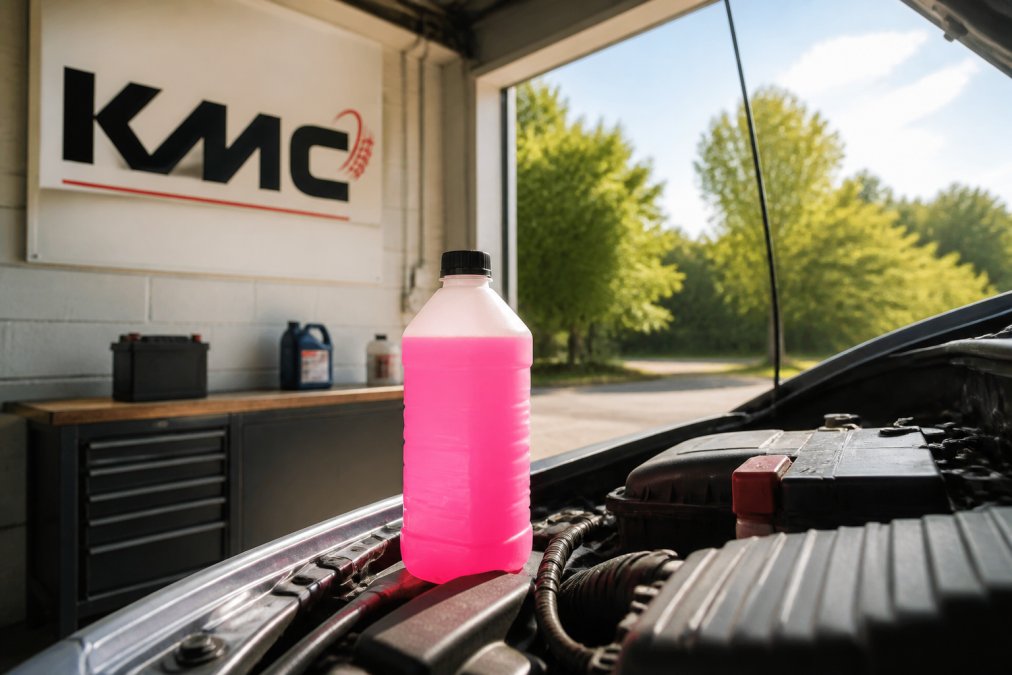
Professional illustration showing Professional for is antifreeze worth it for summer driving
Heat Transfer and Thermal Stability: Why Summer Demands More
Heat transfer is fundamental to why antifreeze matters in summer. Your engine's operating temperature sits around 90-100°C under normal conditions, but peak combustion temperatures exceed 2,500°C. The cooling system continuously circulates coolant that absorbs excess heat and maintains safe metal temperatures.
Thermal stability refers to a coolant's ability to maintain its protective properties under extreme temperature stress. Summer driving, especially motorway journeys or heavy traffic in Kettering and surrounding Northamptonshire areas, pushes your cooling system to its limits. When ambient temperatures climb above 25°C and your engine works hard, coolant temperatures can reach 110°C or higher. Poor-quality coolant breaks down at these temperatures, losing its ability to transfer heat effectively.
Viscosity also matters in summer. As coolant heats up, it becomes thinner. Old, degraded coolant becomes too thin to maintain adequate film strength on moving parts like the water pump impeller, leading to cavitation and pump damage. Synthetic coolants maintain viscosity and thermal stability across a wider temperature range than conventional coolants, resisting oxidation and fluid degradation even under summer heat stress.
System pressure increases in summer as coolant heats up and expands. A properly functioning radiator cap maintains this pressure at the manufacturer's specification (typically 1.1-1.4 bar). If your coolant is low or your system has air pockets, pressure fluctuates and boiling occurs at lower temperatures. This is why checking coolant levels and system integrity is critical before summer driving.
How to Check Coolant Levels and Maintain Your Cooling System
Checking your coolant is straightforward and takes just a few minutes. Start with the engine cold; never open the radiator cap when the engine is hot, as pressurised coolant can cause severe burns.
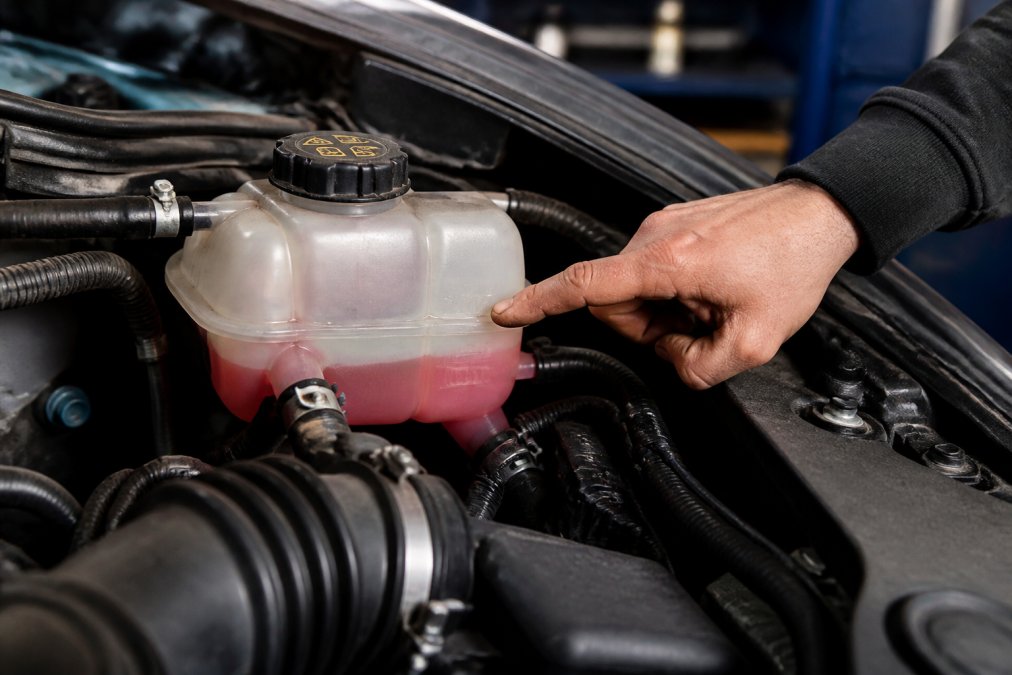
Locate your coolant reservoir tank, usually a translucent plastic container near the engine. Most reservoirs have minimum and maximum marks on the side. Your coolant level should sit between these lines. If it's below the minimum, top it up with the correct coolant type for your vehicle. Never mix different coolant types, as they contain incompatible additive packages that reduce effectiveness.
When topping up, use only the coolant specified in your vehicle's handbook. Different manufacturers recommend different formulations; some use long-life coolants lasting 5-10 years, others use conventional coolants requiring replacement every 2 years. Using the wrong type can damage your cooling system.
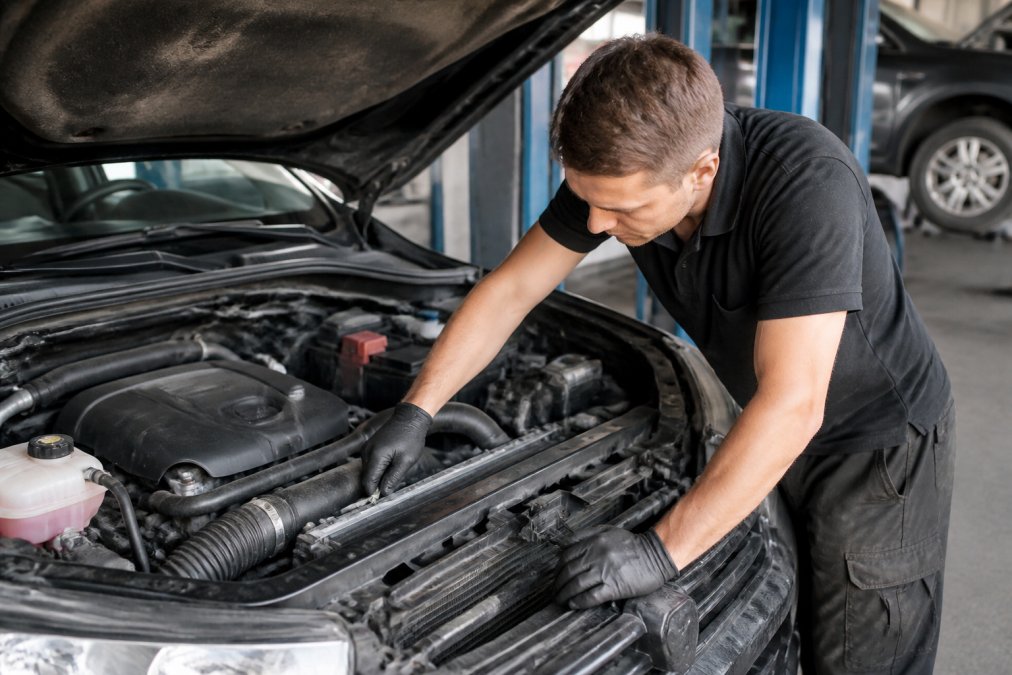
Step-by-step visual guide for Close for is antifreeze worth it for summer driving
A coolant flush removes old, degraded fluid and replaces it with fresh coolant containing full additive protection. Most vehicles benefit from a coolant flush every 2-3 years or according to the manufacturer's schedule. If you're unsure when your last flush was, the team at Kettering Motorist Centre can inspect your coolant condition and recommend a service schedule tailored to your vehicle.
Check your hoses and connections for leaks. Coolant leaks are the most common reason for low coolant levels. A small weep from a hose clamp or a crack in a radiator hose will gradually deplete your system. If you spot green, orange, or pink fluid under your parked car, that's coolant, get it checked immediately.
Your radiator cap maintains system pressure and prevents coolant overflow. A worn cap that doesn't seal properly can allow coolant to boil off in summer. If your coolant level drops frequently despite no visible leaks, a faulty cap might be the culprit.
Signs of Engine Overheating and What They Mean
Engine overheating is serious and demands immediate attention. Ignoring early warning signs can lead to catastrophic engine damage costing thousands of pounds to repair.
Your temperature gauge is the most obvious indicator. If it climbs toward the red zone, your engine is overheating. Some vehicles display engine temperature in degrees; anything above 100°C indicates a problem. Pull over safely, turn off the engine, and allow it to cool before investigating.
Steam or smoke from under the bonnet indicates coolant is boiling and turning to steam, meaning your engine temperature has exceeded the boiling point of your coolant. Never open the bonnet immediately; the steam is extremely hot. Wait at least 15 minutes for the engine to cool.
A sweet smell near your engine can indicate coolant leaking and burning on hot engine surfaces. This means your cooling system is losing coolant and cannot maintain proper heat transfer.
Loss of power or rough idling in hot weather can signal overheating. When engine temperature rises, the engine management system adjusts fuel injection and ignition timing to prevent damage, reducing performance. If your car feels sluggish on motorway drives during summer, have your cooling system checked.
White smoke from your exhaust (distinct from steam from under the bonnet) might indicate a coolant leak into the combustion chamber, typically from a failed head gasket. This is a serious issue requiring professional diagnosis.
If you experience any of these signs whilst driving in Kettering or Northamptonshire, safely pull over, turn off the engine, and contact a professional mechanic. Continuing to drive an overheating engine causes irreversible damage.
Maintaining Cooling Systems for Electric Vehicles in Summer
Electric vehicles present unique cooling challenges. Unlike petrol or diesel engines, electric motors run cooler, but their battery packs generate significant heat that must be managed carefully. EV cooling systems are more complex, with separate circuits for the battery, motor, and onboard charger.
Battery thermal management is critical in summer. High ambient temperatures combined with fast charging can push battery temperatures to levels where performance degrades and longevity suffers. Most EVs use a dedicated coolant loop for the battery pack, separate from the motor cooling circuit. This coolant must maintain precise temperature control to keep the battery in its optimal operating window, typically 20-40°C.
Summer heat stress is particularly demanding for EV batteries. If your EV's cooling system fails, battery temperature can rise rapidly, triggering thermal throttling where the vehicle reduces charging speed and power output to protect the battery. In extreme cases, the vehicle may shut down completely.
Regular checks of your EV's coolant levels and system integrity are essential. If you own an electric or hybrid vehicle in the Kettering area, Kettering Motorist Centre has specialist expertise in EV thermal management. Our team can diagnose cooling issues and perform the precise maintenance these systems require. For more information about our electric vehicle servicing, visit kmcelectric.co.uk.
Synthetic coolants rated for EV use are essential. They must have lower electrical conductivity than conventional coolants to prevent damage to sensitive EV electronics, whilst maintaining excellent thermal properties. Using the wrong coolant in an EV can cause electrical faults and battery management system errors.
Common Summer Coolant Mistakes to Avoid
Mixing coolant types is a common error. Different manufacturers use different additive packages; orange, green, pink, and blue coolants are not interchangeable. Mixing them creates a chemical reaction that precipitates additives, forming sludge that clogs your radiator. Always check your handbook and use only the specified type.
Topping up with water instead of coolant is another frequent mistake. Water has a lower boiling point than coolant and provides no corrosion protection. In summer, water boils off faster than coolant, and you lose heat transfer efficiency. Always use proper coolant.
Ignoring coolant leaks is surprisingly common. A slow leak that loses a litre over a month will eventually drop your level below the minimum, causing overheating. Address leaks immediately.
Neglecting the coolant flush schedule is equally problematic. Coolant degrades over time as additives are consumed and the fluid oxidises. Old coolant loses its ability to protect against corrosion and scale buildup. A flush every 2-3 years keeps your system functioning at peak capacity.
Why Professional Coolant Checks Matter
Checking your own coolant level is a good starting point, but professional inspection reveals far more. A mechanic can assess coolant condition by colour, smell, and laboratory analysis. They can test the coolant's freeze point and boiling point to verify thermal stability, inspect hoses for cracks, check clamps for tightness, and pressure-test the entire system to identify leaks.
At Kettering Motorist Centre, we perform comprehensive cooling system checks as part of routine vehicle maintenance. We can also test your radiator cap and thermostat to ensure they're functioning within specification.
Professional coolant analysis is particularly valuable for older vehicles or those with unknown service histories. If you've just bought a used car and don't know when the coolant was last changed, a professional check tells you exactly what condition your system is in.
For vehicles with complex cooling systems, particularly hybrids and electric vehicles, professional diagnosis is essential. These systems have multiple coolant circuits, electronic temperature sensors, and sophisticated management software. You need someone with specialist equipment and training to ensure everything is working correctly.
Visit Kettering Motorist Centre's website to book your cooling system check or routine maintenance appointment at a time that suits you. No upfront payment is required; we'll provide a transparent quote before any work begins.
Summer driving demands a cooling system in peak condition. Antifreeze and coolant aren't optional extras; they're essential to keeping your engine safe and reliable during the hottest months. Whether you drive a conventional petrol car, a hybrid, or a fully electric vehicle, proper coolant maintenance protects your investment and prevents costly repairs. If you're unsure about your cooling system's condition, book a professional check with Kettering Motorist Centre today. Our team will assess your system, recommend any necessary maintenance, and ensure your vehicle is ready for summer driving with complete confidence.
Frequently Asked Questions
Is antifreeze the same thing as coolant?
Not quite. Antifreeze is the concentrate that prevents freezing and boiling. Coolant is antifreeze mixed with distilled water, usually at a 50/50 ratio. Your car uses coolant in the radiator and engine block. The antifreeze component provides corrosion inhibition, heat transfer efficiency, and thermal stability. Both terms are often used interchangeably, but coolant is the ready-to-use mixture you actually pour into your vehicle's cooling system.
Can I use just water in my radiator during summer?
No. Water alone lacks the additives needed for summer protection. Without antifreeze's additive package, you lose corrosion inhibitors that protect the radiator, water pump, and engine block from rust and scale buildup. Water also boils at 100°C, while coolant boils at around 110–120°C depending on pressure and concentration. In summer heat, especially during motorway driving or stop-start traffic, plain water can cause boil-over and cavitation damage to the water pump. Stick with proper coolant year-round.
How often should I check my car's coolant levels?
Check coolant every month, especially in summer. A quick visual inspection of the translucent reservoir tank takes seconds. The level should sit between the minimum and maximum marks when the engine is cold. If you're losing coolant regularly, that's a sign of a leak or system problem—have it inspected by a professional. For electric vehicles, cooling systems are equally critical; check monthly and follow your manufacturer's maintenance schedule. Kettering Motorist Centre can perform a full cooling system inspection as part of routine servicing.
What are the risks of driving with low coolant levels in summer?
Low coolant causes engine overheating, which can lead to severe damage. The cooling system relies on adequate fluid volume and concentration to maintain proper heat dissipation and operating temperature control. Without it, the engine block, cylinder head, and gaskets can warp or crack, resulting in expensive repairs. Low coolant also reduces the system's ability to handle pressure spikes, increasing the risk of radiator leaks and water pump failure. In summer traffic, overheating can happen quickly and without warning. Check levels regularly and top up with the correct coolant type for your vehicle.
Thank you for placing a booking with Kettering Motorist Centre Limited for vehicle
PLEASE TAKE YOUR BOOKING REFERENCE NUMBER WITH YOU TO THE MOT CENTRE
Your items
MOT Test
×
Terms and Conditions
These terms and conditions form the basis on which you can visit and use this website. Please read them carefully as they contain important information.
General terms and conditions
This website is owned and operated by Kettering Motorist Centre Ltd (company registration number: 4485858) operating at Trafalgar Road, Kettering, Northamptonshire, NN16 8DB (the "MOT Centre", the "Company", "we" or "us"). If you have any queries about these terms and conditions or if you have any comments or complaints on or about this website, you can contact us at [email protected] or 01536 410142.
The website is to promote and offer for sale the products and services of Kettering Motorist Centre Limited.
1. The contract between us
This website does not take payment for products or services online. The website enables you to view products and services online and to make a booking for later delivery and payment. The vehicle and provision of other products and services promoted by this website and the payment by you of the price of those products and services will take place at the MOT Centre. The booking does not constitute a contract.
The booking process on the site provides details of the booked MOT order. Please take the time to read and check your booking. It is your responsibility to make sure the order is correct and for the correct vehicle.
2. Ownership of rights
All rights, including copyright, in this website are owned by or licensed to the Company. Any use of this website or its contents, including copying or storing it or them in whole or part, other than for your own personal, non commercial use, is prohibited without our permission. You may not modify, distribute or repost anything on this website for any purpose.
3. Accuracy of content
We have taken care in the preparation of the content of this website, in particular to ensure that prices quoted are correct at the time of publishing and that all goods have been fairly described. However, bookings will only be accepted if there are no material errors in the description of the goods or their prices as advertised on this website. Any weights, dimensions and capacities given about the goods are approximate only.
4. Damage to your computer
We try to ensure that this website is free from viruses or defects. However, we cannot guarantee that your use of this website or any websites accessible through it will not cause damage to your computer. It is your responsibility to ensure that the right equipment is available to use the website. Except in the case of negligence on our part, we will not be liable to any person for any loss or damage which may arise to computer equipment as a result of using this website.
5. Availability
All bookings are subject to acceptance and availability. If the MOT date you have requested are is not available, the Centre will contact you by e-mail or phone. You will have the option either to wait until another slot is available or to cancel your booking.
6. Booking errors
You are able to correct errors on your booking up to the point on which you click on “Place Booking” during the booking process.
7. Price
The prices payable for goods that you order are as set out in our website. All prices are inclusive of VAT at the current rates and are correct at the time of entering information, errors and omissions excepted.
Whenever it is not possible to accept your booking to buy goods of the specification and description at the price indicated, the MOT Centre will advise you by email or phone or when you visit the centre.
8. Payment terms
You will be required to pay for the goods or services to the Centre at time of a completed MOT.
9. Delivery charges
N/A
10. Cancellation
The MOT Centre reserves the right to cancel the booking if:
10.1 There is insufficient stock to deliver the goods you have booked.
10.2 One or more of the goods you booked was listed at an incorrect price.
If your booking is cancelled the Centre will notify you by e-mail or phone.
You have the right to cancel your booking at any time up to the point of the MOT. If you do cancel your booking you should inform the centre by phone.
11. Liability
Notwithstanding the foregoing, nothing in these terms and conditions is intended to limit any rights you might have as a consumer under applicable local law or other statutory rights that may not be excluded nor in any way to exclude or limit our liability to you for any death or personal injury resulting from our negligence.
12. Notices
Unless otherwise expressly stated in these terms and conditions, all notices from you to us must be in writing and sent to our contact address given above and all notices from us to you will be displayed on our website from time to time.
13. Changes to legal notices
We reserve the right to change these terms and conditions from time to time and you should look through them as often as possible.
14. Law, jurisdiction and language
This website, any content contained therein and any contract brought into being as a result of usage of this website are governed by and construed in accordance with English law. Parties to any such contract agree to submit to the exclusive jurisdiction of the courts of England and Wales.
15. Invalidity
If any part of these terms and conditions is unenforceable (including any provision in which we exclude our liability to you) the enforceability of any other part of these conditions will not be affected.
16. Privacy
You acknowledge and agree to be bound by the terms of our privacy policy
17. Third party rights
Nothing in this Agreement is intended to, nor shall it confer any rights on a third party.